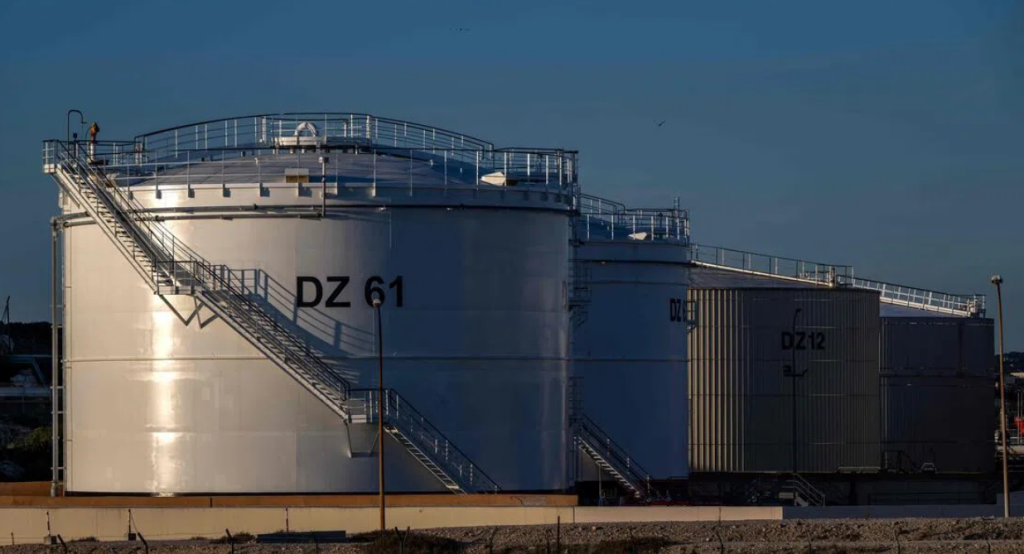
Leaders of the Group of Seven (G7) nations announced on Friday (October 2) that they have agreed to release 100 million barrels of diesel and crude oil from their reserves over the next four months. Member states will not ban diesel exports and have called on other nations to refrain from implementing such restrictions.
French President Emmanuel Macron stated at a press conference on Friday that the release would be coordinated by the International Energy Agency (IEA), with the G7 aiming to drive down fuel prices through this move.
The United States had previously urged its European allies to immediately release strategic reserves to help lower global diesel prices, warning that it might otherwise restrict its own diesel exports.
On Friday, the European Union explicitly rejected U.S. pressure—in the form of a threatened export ban—to release more fuel reserves. European Commission spokesperson Itkonen stated, “A ban benefits no one; it would undermine our trust in the U.S. as a reliable partner.”
However, shortly thereafter, U.S. President Trump posted on his social media platform, Truth Social, claiming that European nations had agreed to release significant quantities of diesel from their reserves and that “this process will begin immediately.”
U.S. Treasury Secretary Bessent posted on X (formerly Twitter) on Thursday, expressing hope that European partners would accelerate the fulfillment of their commitments and immediately provide additional supplies to address ongoing supply disruptions.
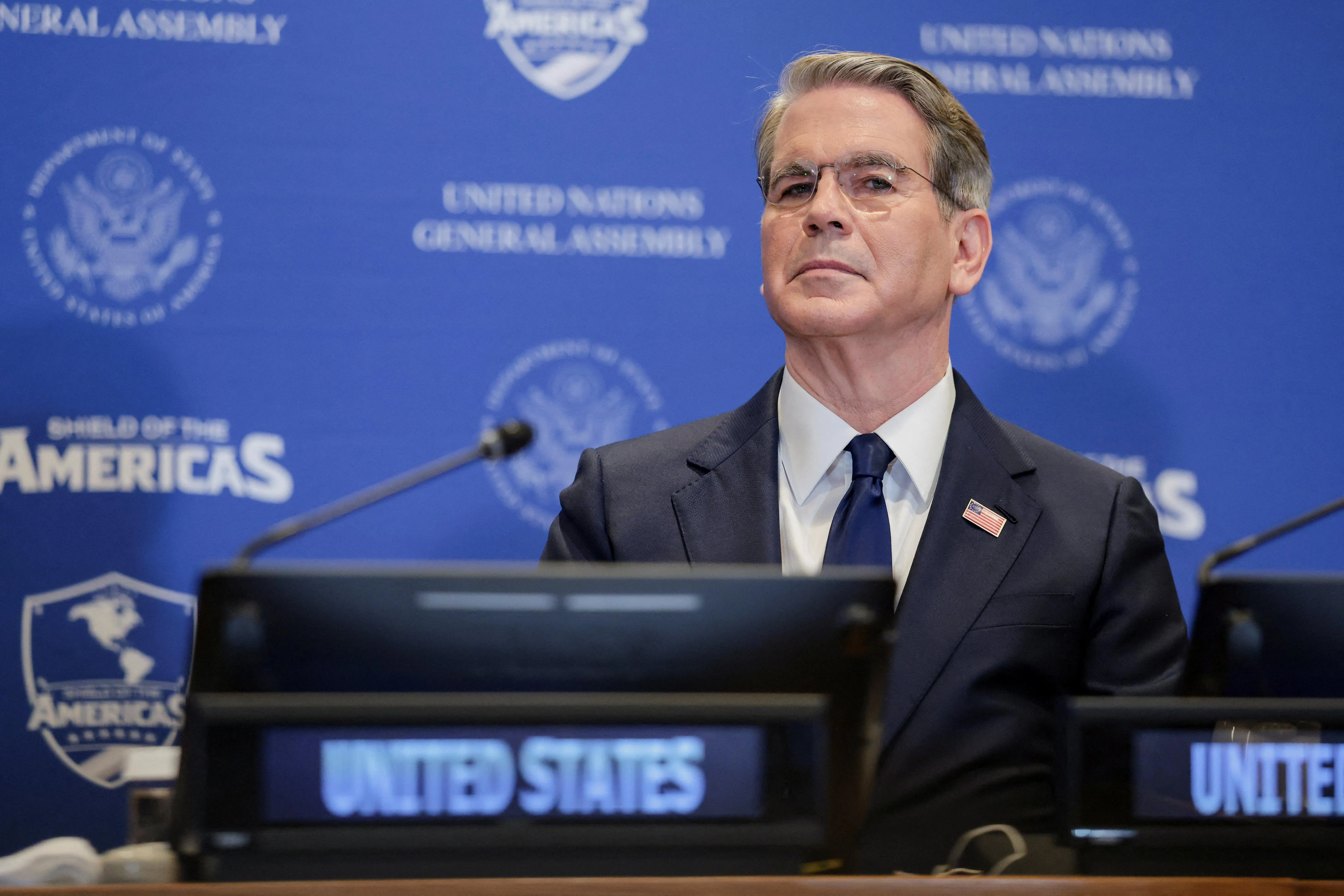
Bessent stated that member nations of the International Energy Agency reached an agreement in March to release 172 million barrels of oil, and Washington has honored its commitment. He said, “The U.S. is doing its part. We expect our allies to back up their commitments with concrete actions.”
Meanwhile, EU Trade Commissioner Šefčovič warned that a U.S. ban on diesel exports would have severe consequences for the European economy.
Šefčovič said he had discussed the issues of tight diesel supplies and soaring prices with U.S. Trade Representative Greer, expressing Europe’s desire for coordinated action to lower prices.
U.S. Energy Secretary Wright, in an interview with Fox News that same day, expressed confidence that Europe could mitigate rising fuel prices by tapping into emergency diesel reserves.
Wright said, “As we enter the harvest season and the peak demand period for winter heating oil, now is the time for a coordinated release of diesel reserves. More diesel should be put onto the market, and the supplies are readily available. I think we will hear good news soon.”
Data from the American Automobile Association (AAA) shows that the average price of diesel in the U.S. has surged by more than 70% since the outbreak of the U.S.-Iraq war on February 28. High fuel prices have driven up the cost of living, placing a heavier financial burden on the public. This has raised concerns among Republicans that they could lose control of Congress in the November midterm elections.