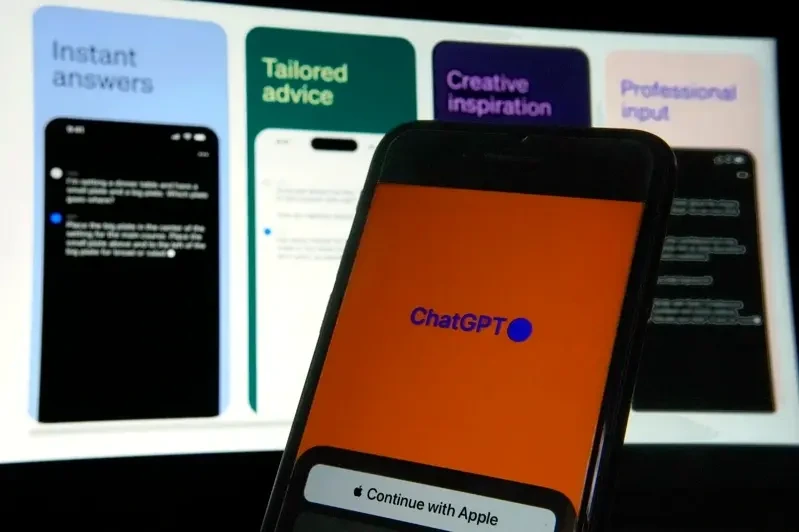
Apple had originally hoped to leverage ChatGPT to bolster the iPhone’s AI capabilities, while OpenAI sought to reach a broader user base through Apple; however, OpenAI stated in court documents that the partnership, established in 2024, yielded results that fell “far short of expectations.” The relationship between the two companies subsequently deteriorated, leading Apple to partner with Google this year to provide AI models for its revamped Siri.
Citing documents filed by OpenAI on Wednesday, the Financial Times reported that the collaboration was initially expected to boost ChatGPT’s visibility and drive paid subscriptions. However, usage proved lackluster in the month following the integration’s launch, prompting OpenAI to lower its weekly active user forecasts. By the summer of 2025, it had become evident that the partnership was underperforming.
The documents noted that the ChatGPT feature on the iPhone was not enabled by default—requiring users to complete multiple steps to activate it—which contributed to the low adoption rate. OpenAI executives also feared that Apple might accelerate its search for other AI partners, causing OpenAI to lose the opportunity to be the first to access Apple’s global user base.
Tensions between the two parties subsequently rose. Apple sued OpenAI in July of this year, alleging the large-scale theft of trade secrets; last week, Apple also reached a settlement with xAI—a company owned by Elon Musk, who had previously questioned whether the partnership constituted a monopoly. OpenAI has requested to review the settlement terms, arguing that the collaboration with Apple did not confer an unfair competitive advantage, noting that rivals such as Google, Anthropic, Meta, and Grok were simultaneously attracting more users, causing ChatGPT’s market share to decline.
ChatGPT remains integrated into iPhone software, allowing Siri to route queries to it or assist with writing tasks. However, Apple launched a new version of “Siri AI” powered by Google technology last week; it currently supports only English and remains labeled as a beta version. There is no scheduled launch date for the new Siri in the European Union, with Apple attributing the delay to local competition regulations.